Lawyer | Governance Practitioner | Researcher | Writer
Born and raised in Jaffna during Sri Lanka’s civil war, I grew up with a close view of how politics and power shape ordinary lives. My professional journey has since taken me across Sri Lanka and through law, governance, human rights, peacebuilding and public policy.
Over the years, this work has drawn me towards questions of how power is exercised, negotiated and experienced — in governments and institutions, within communities, and increasingly in the digital spaces that shape public life.
This site brings together my writing, research and reflections on democracy, governance, technology, rights and social change. Sri Lanka is where I begin, but not where my questions end.
I write from where I stand — but I look far beyond where I come from.
Originally published in Groundviews – 10 July 2026.
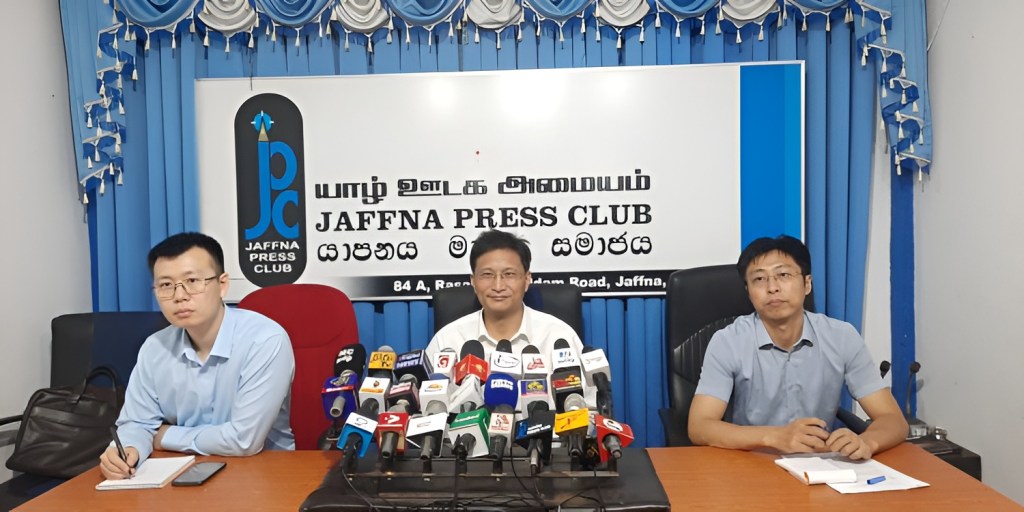
This article examines China’s growing engagement in Sri Lanka’s North and asks whether the region is becoming part of a broader geopolitical contest in the Indian Ocean.
It explores how Beijing’s presence is evolving beyond Colombo, what this means for the North and East, and how local communities, political actors and policymakers might navigate the opportunities and risks that come with renewed international interest in the region.
Originally published in the Sunday Observer – 5 July 2026.
This article reflects on the state of Tamil politics in Sri Lanka and the need to move beyond a politics that is largely reactive to one that is more strategic, representative and capable of shaping the country’s wider political conversation.
It asks what rebuilding Tamil political agency could mean in a changing Sri Lanka — and whether Tamil politics can move beyond simply responding to what governments do towards developing the capacity to influence what happens next.
Originally published in Countercurrents – 2 October 2026.
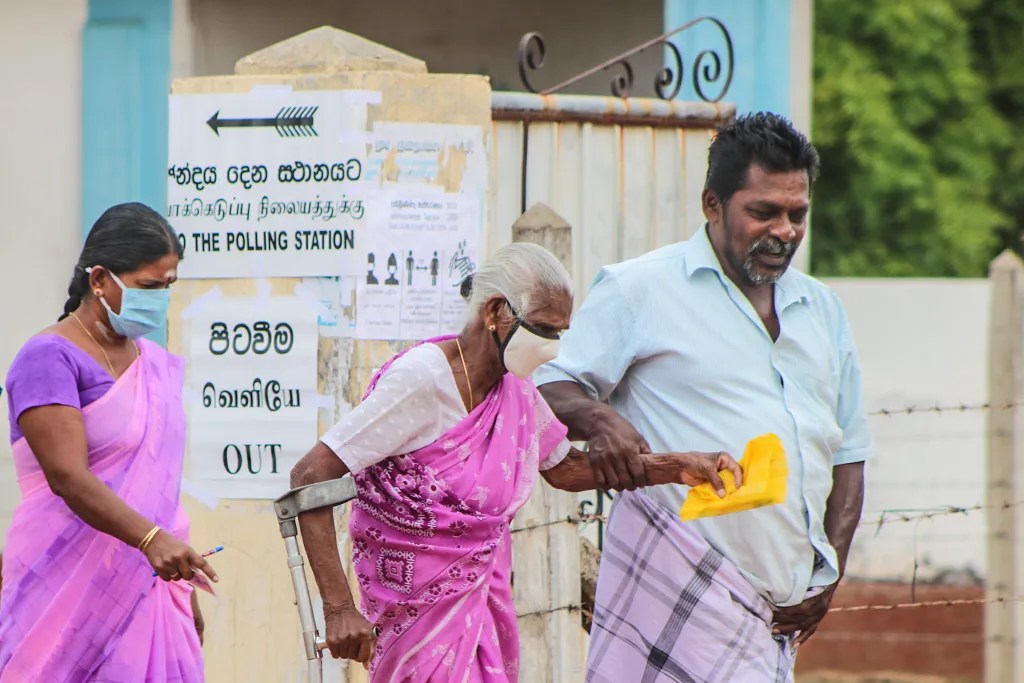
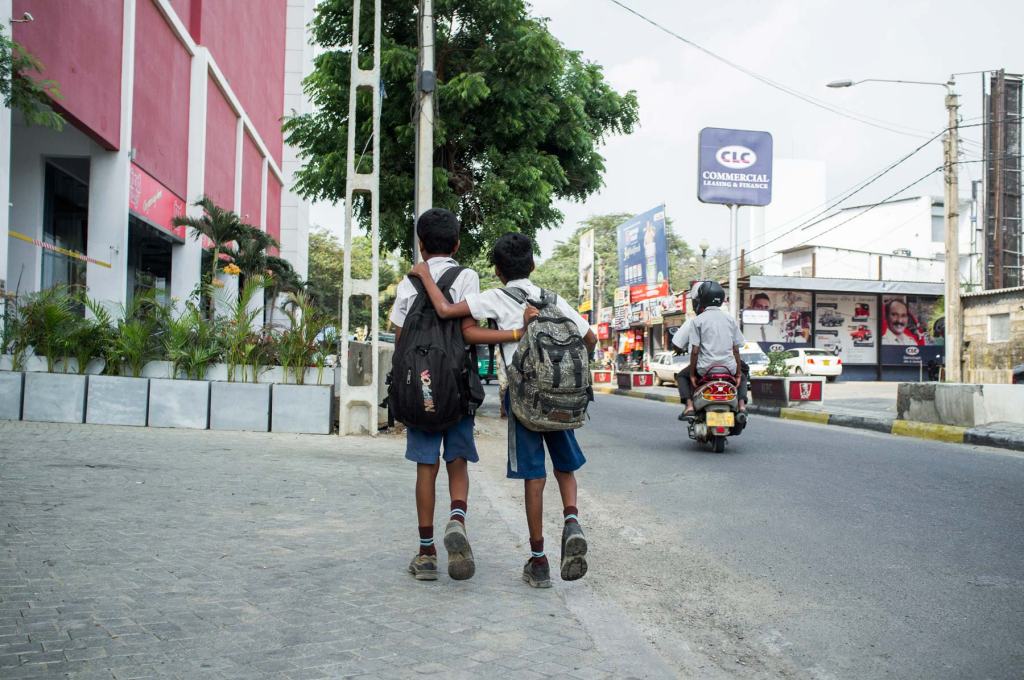
This is a personal reflection on identity, belonging and what it means to call a country home. It began with a simple question about language, but led me to think about why some people feel that they belong while others, even when born and raised in Sri Lanka, may feel like outsiders.
The article also reflects on the Tamil diaspora, migration, and the difficult question of why people choose to leave — or choose to stay.
Photo: Journalist Kumanan Kanapathipillai, at an event organised by the Adayaalam Centre for Policy Research (ACPR). Published with permission.
Originally published in Groundviews — 16 April 2026
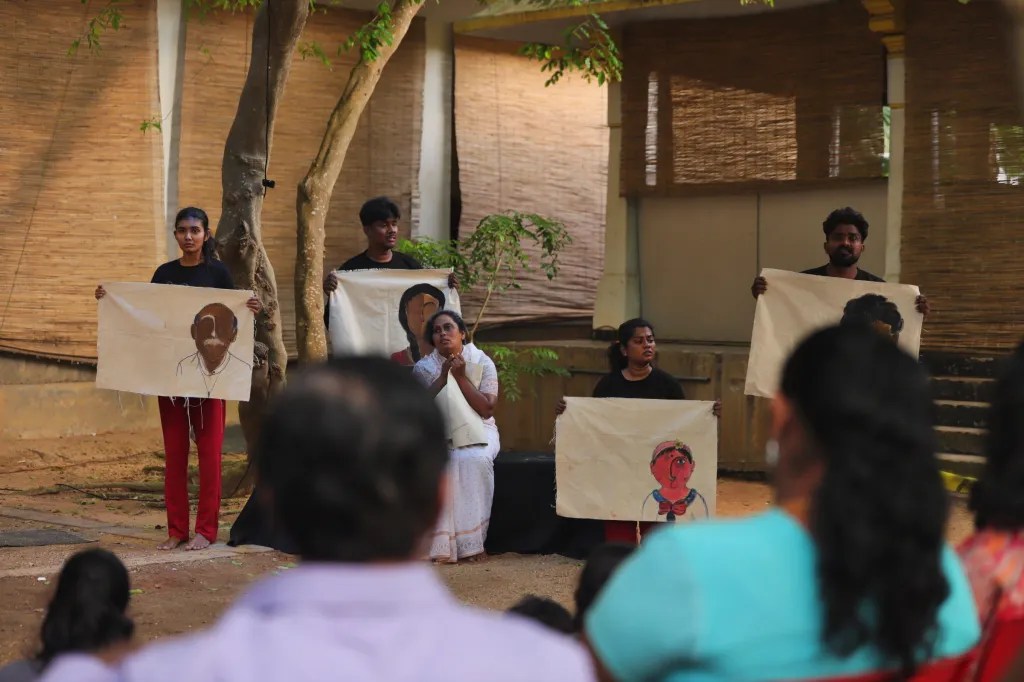
Enforced disappearance is not simply a crime of the past. It continues for as long as the fate of a disappeared person remains unresolved. In this article, I reflect on the continuing struggle of the families of the disappeared in Sri Lanka, their search for justice, and the responsibility of society to ensure that their struggle is not forgotten.
The piece was prompted by The Shriek of Silence, an event organised by the Adayaalam Centre for Policy Research, which explored the collective responsibility of society in seeking justice for those affected by enforced disappearances. I reflect particularly on the exhaustion faced by families who have spent years demanding answers, while broader social and political support for their struggle remains limited.
The article also looks at the continuing nature of enforced disappearance as a crime and asks a broader question: who will carry the struggle forward when the families who have led it for years are no longer able to do so?
Originally published in: Groundviews Date: 16 April 2026
I write for a living, yet I have rarely written for myself.
My professional life has involved a lot of reading, research and writing. I have worked in law, governance, human rights, peacebuilding and public policy, and much of that work has required me to understand difficult issues, write about them and explain them to others. But that writing usually had a purpose, a deadline or a particular audience. I rarely took the time to use my own experiences, observations and the things I have learned over the years to stop and think more deeply for myself.
Social media became my outlet instead. Like many people, I would see something, read something or hear something and have an immediate thought about it. I would write about it on Facebook, Twitter (yes, I refuse to call it “X”), or elsewhere. Sometimes I had thought it through; often, it was simply my reaction to what was happening around me.
There is nothing wrong with that. I have enjoyed those conversations, and some of my best ideas have probably started with a simple reaction. But over time, I have felt that I want to do more than react.
I want to slow down and ask why something is happening, rather than only respond to what has happened. I want to look beyond the immediate argument and understand what sits underneath it. I want to question my own assumptions as much as I question those of others. Sometimes, I may write about something simply because I am trying to understand it better.
That means giving myself the time to read more, think more and write more carefully. It also means being open to discovering that I was wrong, or that something I once saw in a certain way looks different after giving it more thought. That is what I hope to do here.
Jaffna is my home. It is where my roots are, and where I spent my childhood and much of my youth. I grew up here during the civil war — going to school, making friends, playing, laughing and worrying about ordinary things, while also learning to live with a conflict that was part of everyday life. I did not learn about war from history books or television. It was simply part of the world in which I grew up. Looking back, I realise how much those years shaped the way I think about people, power, politics, fear, loss and resilience.
At the same time, life in Jaffna was not only about the war. There were friendships, school days, family, laughter, ordinary worries and all the things that make up a childhood. There was also hard work, resilience and learning to carry on, even when life was difficult. I think it was that combination of an ordinary childhood and difficult circumstances that shaped me most.
My work has since taken me between Jaffna, Colombo and many other parts of Sri Lanka. I have worked with people, institutions and communities from different backgrounds, and those experiences have given me other ways of looking at the country and the wider world. But Jaffna remains where I come from, and that perspective stays with me wherever I go. It shapes the questions I ask, but I don’t want it to decide the questions I am allowed to ask.
I will continue to write about Sri Lanka, the North and issues that matter to the communities I know. But I also want to explore things that increasingly interest me: democracy, governance, technology, rights, social change and the changing ways in which power works. Some of my writing will be local; some will look beyond Sri Lanka. Sometimes my background will be important to the way I see an issue. Sometimes it won’t. I am comfortable with that.
This website is simply a place where I can take a step back from the speed of social media and give my thoughts a little more time. I don’t expect everything I write here to provide a neat solution. Some pieces may start with a question. Some may come from something I have seen or experienced. Some may challenge something I have said before. That’s okay. I am still learning, still thinking and, like everyone else, still figuring things out.
I have spent enough time reacting. I think it is time to spend a little more time thinking.
Ah, yes — one more thing. I will be writing here in both Tamil and English.
I hope you will drop by now and then, read something, disagree with me, question me, or simply think about it for a while. That would be enough.
I write from where I stand — but I look far beyond where I come from.